
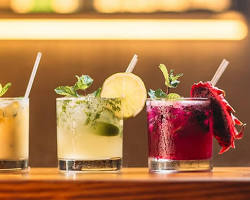
For decades, the business model of the local pub was simple: sell enough pints to cover the overhead. But the math has changed. Recent data shows that nearly 30% of Gen Z globally are non-drinkers, and those who do drink are doing so with "Intentionality"—prioritizing quality, flavor, and experience over volume.
If you’re a pub owner, this isn't a threat; it’s an invitation to reinvent your revenue. Here is how to combat the decline in units sold by increasing the value of every visit.
- The "Mocktail" is Dead; Long Live the "Functional Sip" The days of offering a sugary "Shirley Temple" as the only non-alcoholic option are over. In 2026, younger patrons want sophisticated adult flavors.
- The Opportunity: Invest in Botanical Distillates and Adaptogens.
- The Pivot: Offer drinks infused with Ashwagandha for stress relief or Lion’s Mane for focus. When a drink offers a "functional benefit" (like better sleep or a mood boost) without the hangover, customers are happy to pay the same price as a premium gin and tonic.
- Pro Tip: Treat your "No & Low" menu with the same respect as your wine list. Use proper glassware, fresh garnishes, and complex flavor profiles (bitter, smoky, or spicy).
Experience as the "Primary Product"
If the beer is the only reason to visit your pub, you’re competing with the local supermarket's fridge. You have to sell what they can't: Atmosphere.
- The Strategy: Lean into "Analog Entertainment."
- The Idea: We are seeing a massive resurgence in pub-based Board Game Leagues, Vinyl Record Listening Nights, and "Paint & Sip" (even if they’re sipping kombucha).
- The Goal: Make the pub a "Community Clubhouse" again. If people come for a 2-hour Dungeons & Dragons session or a run club meetup, they will buy food and premium soft drinks, even if they never touch a drop of alcohol.
The "Craveable" Food Pivot
Younger generations are "foodies" by default. They are often more willing to spend £15 on a unique, ethically sourced small plate than £6 on a generic lager.
- The Strategy: The "Kitchen Residency."
- The Idea: If your kitchen is underperforming, host a rotating "Pop-Up." Partner with local vegan chefs, taco specialists, or Bao bun creators.
- Why it works: It creates FOMO (Fear Of Missing Out). If a specific food is only available for three weeks, people will flock to the pub for the food, and the drinks (alcoholic or otherwise) become the secondary purchase.
Daytime Utility: The "Pub-Office" (Pub-ffice?)
With remote work firmly established in 2026, the hours between 11:00 AM and 4:00 PM are wasted space for many pubs.
- The Strategy: The "Work-from-Pub" Package.
- The Idea: For a flat fee (e.g., £15), offer a "Co-working Bundle" that includes a quiet table, high-speed Wi-Fi, unlimited coffee/tea, and a lunch main.
- The Benefit: It populates the pub during dead hours and builds a relationship with younger professionals who will then stay for a "debrief" drink (or mocktail) once the laptop closes.
A Note to the Wise Landlord: The younger generation isn't "killing" the pub; they are killing the boring pub. They value Sustainability, Storytelling, and Inclusivity.
- If your spirits are locally distilled, tell that story.
- * If your pub has a "Digital Detox" zone, shout about it.
- If your non-alcoholic beer is a local craft brew, put it on the top of the menu.
The future of the pub isn't just about what’s in the glass—it’s about the connection made while holding it.