We have all had that "deja vu" travel moment. You wake up in a hotel room, look at the wall art, the predictable beige carpet, and the generic furniture, and briefly forget exactly which city you are in. It’s efficient. It’s reliable. But is it an experience?
In a world that is increasingly streamlined and sanitized, travelers in 2026 are looking for something that can’t be engineered by a corporate brand manager. They are looking for story, soul, and a sense of place. This is exactly why the classic, historical inn is enjoying a renaissance.
Staying at a historical inn isn’t just about where you sleep; it’s about choosing to inhabit a narrative. Here is why the "inn experience" is the ultimate luxury for the modern traveler.
The Architecture of a Story
A major hotel chain is built for efficiency; a classic inn is often built from history. When you check in, you aren't just getting a keycard (or more likely at an inn, a heavy brass key). You are stepping into a structure that has witnessed decades, or even centuries, of life.
No Two Rooms are Alike
Forget the cookie-cutter floor plans. In an old inn, every room has a personality shaped by the original architecture. You might get a cozy attic room with sloped ceilings and original beams, or a grand master suite with a four-poster bed and a 19th-century fireplace. The quirkiness is the feature, not a flaw.
The Texture of the Past
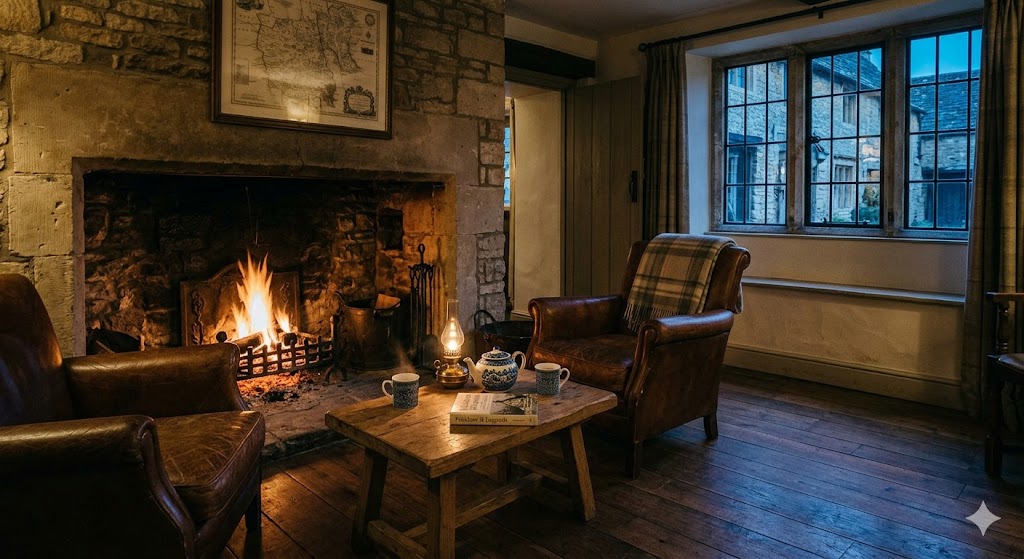
There is a luxury in texture. The "inn experience" involves wide-plank wood floors that gently creak, thick, rough-hewn stone walls that hold the quiet, and original wrought ironwork. These materials connect you to a simpler, sturdier era.
An Antidote to "Anonymity"
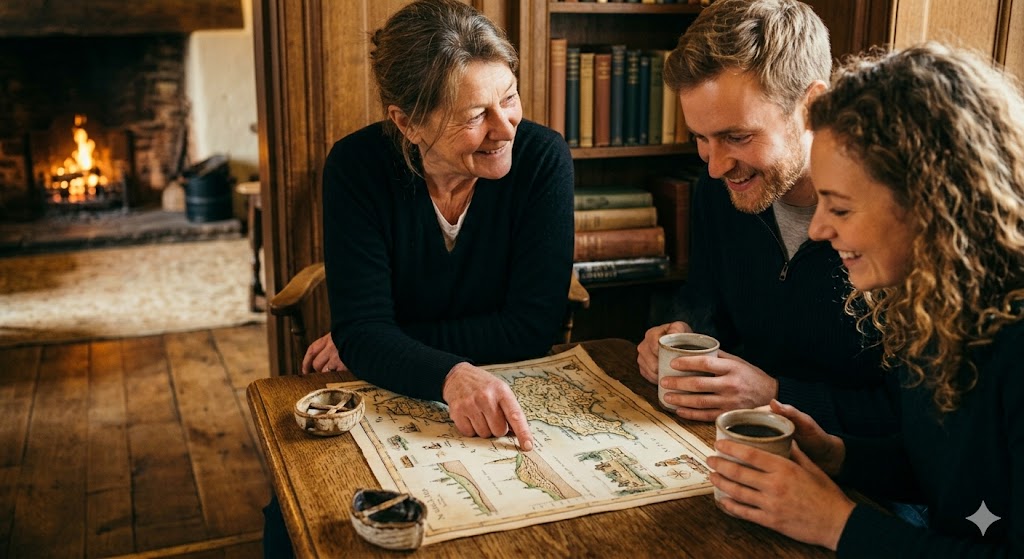
In a 500-room hotel, you are a reservation number. The interactions are transactional. At a classic inn, hospitality is personal. The staff often know the history of the house, the best local hiking trail that isn't on Instagram, or the story of the painting in the parlor. This personal touch changes the dynamic of your stay from "checking in" to "being hosted." You are a guest in a home, not just an occupant of a unit.
True Local Flavor
The "Hyper-Local" Experience While large hotels may "source locally" for their menu, an inn is local.
The Food of the Region
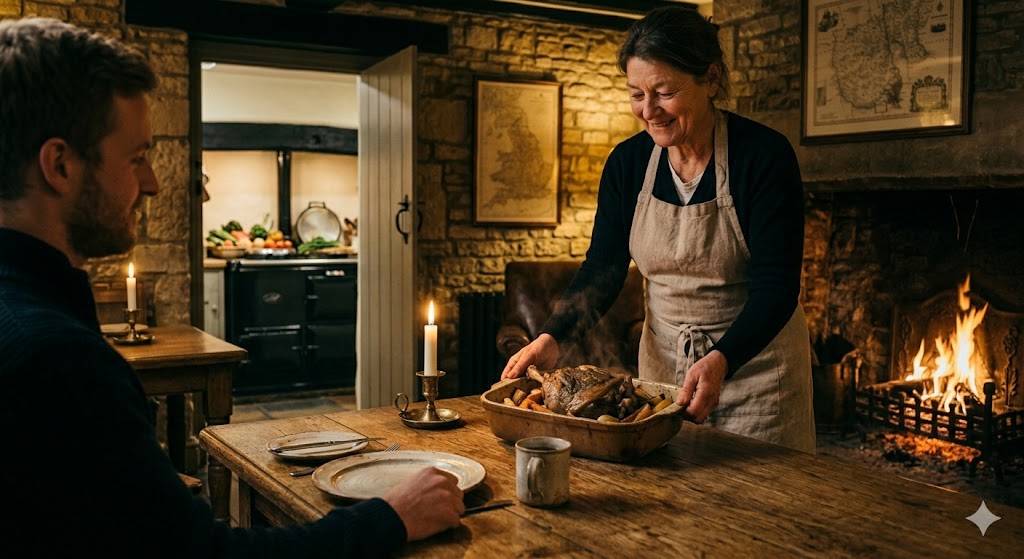
The dining room of a historic inn often centers on authentic, centuries-old local recipes, or partners intensely with one specific farm just down the road. It’s not just "farm-to-table"; it’s the definitive flavor of that specific valley or village.
A Sanctuary of Senses
Chains use a signature "brand scent" in the lobby. At an inn, the sensory experience is authentic: the faint aroma of a real wood fire in the main hearth, the scent of fresh lavender from the garden, and the genuine quiet that you only find outside the city grid.
The Luxury of Presence
In our blog post about "The Unplugged Pub," we discussed how people are craving connection. The classic inn offers this same sanctuary of presence. Without the standard background noise of a large lobby, convention crowds, or hundreds of slamming doors, an inn naturally slows your pace. It invites you to linger over a morning coffee in a window nook, read a real book in the parlor, or actually talk to your traveling companion. Choosing a classic inn means rejecting the bland reliability of a beige hotel room for something textured, unique, and deeply memorable.
Your next trip deserves a story. Start it at an inn.