
Guinness

Contact Information
Dublin, Ireland D08 VF8H
About This Brewery
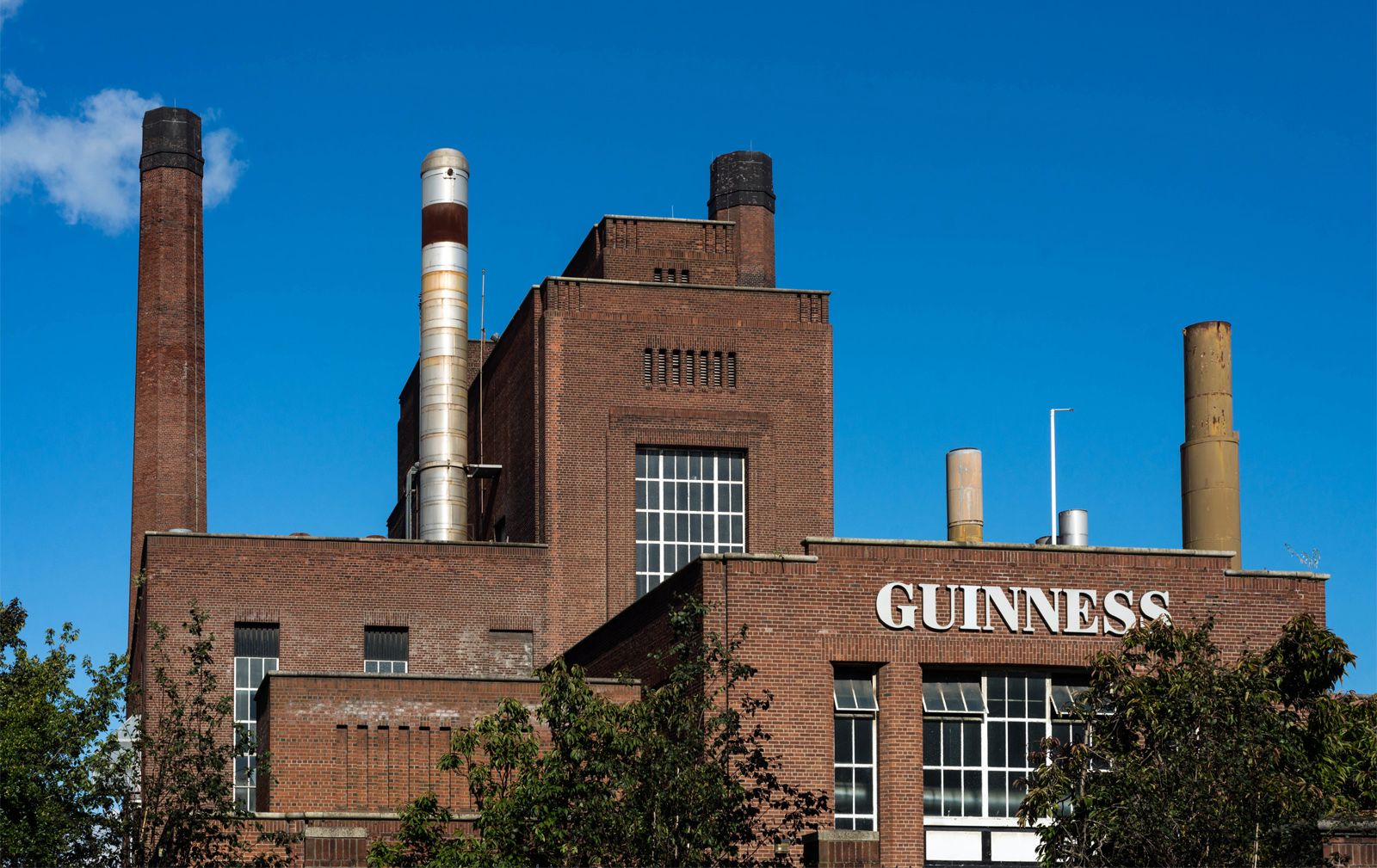
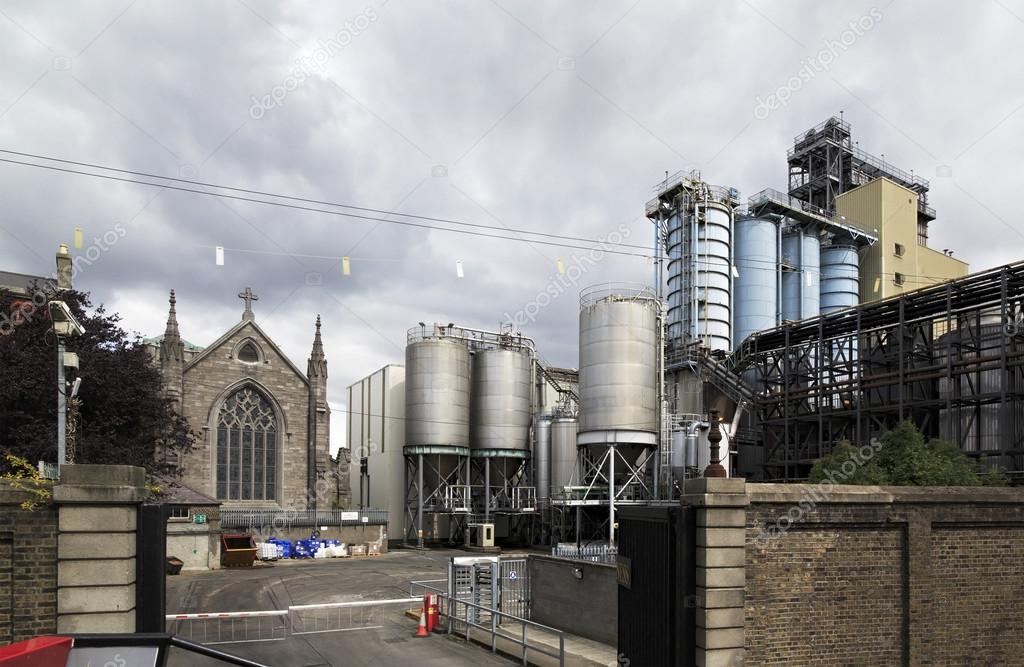
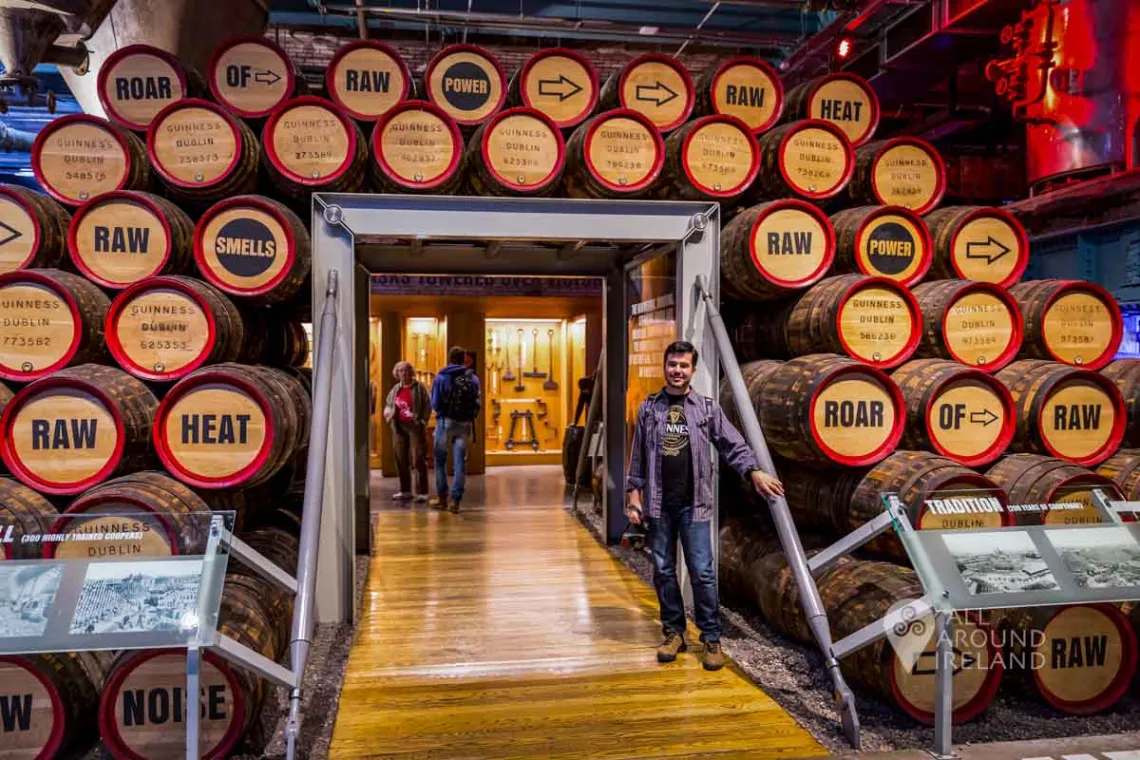
The Guinness Brewery at St. James's Gate in Dublin, founded by Arthur Guinness in 1759 with a famous 9,000-year lease, is the historic home of the world's most popular stout. The site houses the Guinness Storehouse, a premier Irish visitor attraction offering a seven-floor interactive experience, brewing history, the Guinness Academy for pouring skills, and the rooftop Gravity Bar with panoramic city views.
🏛️ Our History
Arthur Guinness started brewing ales in Leixlip, County Kildare, and then from 1759 at the St. James's Gate Brewery in Dublin. On 31 December, he signed a 9,000-year lease at £45 per annum for the unused brewery. However, the lease is no longer in effect because the brewery property has been bought out when it expanded beyond the original 4-acre site.
Ten years after establishment, on 19 May 1769, Guinness exported his beer (he had ceased ale brewing by then) for the first time, when six and a half barrels were shipped to England. The business expanded by adopting steam power and further exporting to the English market. On the death of Sir Benjamin Lee Guinness in 1868, the business was worth over £1 million, and the brewery site had grown from about 1 acre to over 64 acres. In 1886, his son Edward sold 65 per cent of the business by a public offering on the London Stock Exchange for £6 million.
London brewers Whitbread and Barclay Perkins accounted for 80% of the porter sold in Dublin in the 1770s, but by the early 1890s, Guinness was exporting to markets across the British Empire and beyond; from the Caribbean to West Africa to Australia. The market reach of Guinness stout was fuelled by the capital raised in 1886. The flotation allowed Guinness to outpace rivals like Whitbread - which would bottle Guinness stout from 1904 - ensuring its dominance well into the 20th century.
The company pioneered several quality control efforts. The brewery hired the statistician William Sealy Gosset in 1899, who achieved lasting fame under the pseudonym "Student" for techniques developed for Guinness, particularly Student's t-distribution and the even more commonly known Student's t-test.
Because of the Irish Free State's "Control of Manufactures Act" in 1932, the company moved its headquarters to London later that year. Guinness brewed its last porter in 1974.
In 1983, a non-family chief executive Ernest Saunders was appointed and arranged the reverse takeover of the leading Scotch whisky producer Distillers in 1986. Saunders was then asked to resign following revelations that the Guinness stock price had been illegally manipulated (see Guinness share-trading fraud).
In 1986, Guinness PLC was in the midst of a bidding war for the much larger Distillers Company. In the closing stages, Guinness' stock rose 25 per cent — which was unusual, since the stock of the acquiring company usually falls in a takeover situation. Guinness paid several people and institutions, most notably American arbitrageur Ivan Boesky, about US$38 million to buy US$300 million worth of Guinness stock. The effect was to increase the value of its offer for Distillers, whose management favoured merging with Guinness.
In the course of the investigation, it emerged that Bank Leu was involved in half of the purchases. Two of Guinness' directors signed under-the-table agreements in which Bank Leu subsidiaries in Zug and Lucerne bought 41 million Guinness shares. Guinness secretly promised to redeem the shares at cost, including commissions. To fulfil its end of the bargain, Guinness deposited $76 million with Bank Leu's Luxembourg subsidiary.
As Distillers was worth more than Guinness plc, the Guinness family shareholding in the merged company went below 10 per cent, and today no member of the family sits on the board. Guinness acquired the Distillers Company in 1986.
The company merged with Grand Metropolitan in 1997, to form Diageo plc, capitalised in 2006 at about 40 billion euros.
The Guinness brewery in Park Royal, London, closed in 2005. A major expansion project, undertaken by Sisk Group at a cost of €153 million was completed at the St. James's Gate Brewery in Dublin in June 2013. This allowed the production of all Guinness sold in the United Kingdom and the Republic of Ireland to be switched to the St. James's Gate Brewery.
In 2018, Guinness opened its first brewery in 64 years in the United States, in Baltimore, Maryland. The last Guinness brewery in the US closed in 1954. This US location focuses on "special news" and Guinness Blonde American Lager, but not the classic stout, which is still imported from Dublin.
According to a Diageo publication in 2019, the St James' Gate brewery was then operating at over 90 percent capacity and one of the "most profitable breweries in the world".
📍 Visit Us
🍺 Beer Types We Brew
Location
✍️ Review This Brewery
Share your experience and help others discover great breweries!
Write a Review